
It is no longer sufficient to merely rely on creativity and conventional advertising techniques in the cutthroat digital world of today. Marketers are continually seeking ways to reach consumers on a more personalized level. That is where Neuromarketing Techniques come in. By combining brain science with marketing strategy, brands can build campaigns that access emotions, attention and subconscious decision-making processes.
This blog explores how neuroscience is transforming digital marketing. The strategies businesses can adopt and why neuromarketing is a meaningful change for future campaigns.
What is Neuromarketing?
Neuromarketing in digital marketing is the application of neuroscience and psychology to understand consumer behavior and make marketing campaigns more effective. Instead of depending only on surveys or feedback, neuromarketing relies on technologies such as:
- Eye-tracking: to see where consumers focus on ads or websites.
- EEG (Electroencephalography): to measure brain activity in response to marketing stimuli.
- Biometric sensors: to capture emotional responses such as heart rate or skin conductance.
By using these tools, brands can understand how the human brain responds to advertisements and design content that aligns with the subconscious mind.
Why Neuromarketing Matters in Digital Campaigns
 Digital audiences are flooded with thousands of ads daily. Most are ignored. However, by directly appealing to human psychology, neuromarketing strategies assist brands in breaking through the clutter.
Studies show that 95% of consumer decisions are subconscious. This implies that emotions, instinct and mental shortcuts frequently determine decision-making rather than logic. By applying marketing neuroscience, businesses can design digital campaigns that spark positive emotional responses, improve brand recall and drive conversions.
Key Neuromarketing Techniques for Digital Marketing
-
Emotional Triggers in Marketing
Humans make emotional decisions before rational ones. Using happiness, fear, surprise, or nostalgia in campaigns can boost interaction. For example, Coca-Cola consistently associates joy and togetherness with its branding.
-
Eye-Tracking and Visual Attention
Eye-tracking technology helps marketers know where users look on a webpage or ad. By placing CTAs and offers in “hot spots,” brands can increase conversion rates.
-
Color Psychology
Colors strongly influence perception and action. Red stimulates urgency, blue promotes trust, and green signals health or durability. A thoughtful science-based marketing strategy always integrates color psychology.
-
Storytelling with Neuroscience
Stories activate multiple brain areas and create empathy. Successful brands design neuro-driven digital campaigns that tell relatable stories instead of stating plain facts.
-
Optimizing Dopamine Hits
Dopamine is linked to reward and anticipation. Gamification elements such as rewards, badges, or countdown timers leverage this neurological process to increase user engagement.
Consumer Psychology in Digital Marketing
Consumer psychology marketing goes in unison with neuromarketing. For instance:
- Scarcity effect: Limited time offers drive urgency.
- Anchoring bias: Displaying a high “original price” before the discount makes the offer more attractive.
- Social proof: Reviews, testimonials and influence endorsements influence decisions subconsciously.
By combining these psychological insights with neuromarketing strategies, businesses can coordinate digital campaigns with the natural way consumers think and decide.
Real-Life Applications for Neuromarketing
Several brands are already using Neuromarketing Techniques successfully:
- PepsiCo redesigned packaging after neuromarketing revealed that consumers are emotionally connected more with minimalistic designs.
- Frito-Lay learned that shiny bags triggered negative subconscious reactions (linked to unhealthiness), so they switched to matte packaging.
- Google used eye-tracking studies to optimize ad placements and improve engagement rates.
These examples prove that consumer behavior insights derived from neuromarketing can directly shape marketing success.
Benefits of Neuromarketing in Digital Campaigns
Adopting neuromarketing provides several competitive advantages:
- Deeper Consumer Insights: Go beyond surface-level data and understand subconscious motivators.
- Higher Engagement: Campaigns designed with emotional triggers in marketing capture more attention.
- Improved ROI: Investing in neuromarketing strategies reduces waste ad spending.
- Brand Loyalty: Campaigns that connect emotionally foster long-term trust.
Challenges of Neuromarketing
Despite its benefits, neuromarketing faces some challenges:
- Cost of technology (EEG, fMRI, biometrics) can be high.
- Ethical concerns about influencing subconscious decisions.
- Data interpretation requires expertise in neuroscience and psychology.
However, with growing AI tools and affordable analytics platforms, businesses of all sizes can now access simplified forms of neuromarketing in digital marketing.
Future of Neuromarketing
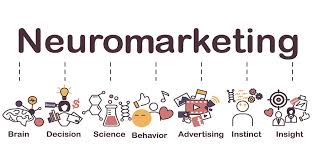 As AI and machine learning evolve, marketing neuroscience will become even more elegant. Consider campaigns that can be changed in real-time depending on the response of the consumer or even virtual reality ads that will be able to gauge subconscious response in real-time.
In the future, neuro-driven digital campaigns will not just analyze what consumers click, but how their brains react in milliseconds.
Conclusion
The fusion of science and strategy is reshaping marketing. By adopting Neuromarketing Techniques, brands can go outside expectations and create campaigns rooted in psychology and neuroscience.
From eye-tracking studies to emotional triggers in marketing. Businesses now have the tools to connect with audiences at a subconscious level. Stronger loyalty, increased engagement, and campaigns that genuinely connect are the outcomes.
Briefly, neuromarketing in digital marketing does not only involve selling products but rather, it involves knowing more about how the human brain works and how to design strategies that resonate with actual consumer behavior.