
In today’s digital world, creating a successful digital marketing campaign is essential for businesses to flourish and maintain an advantage over their rivals. Businesses must establish tactics that successfully engage and attract their target audience given the growing reliance on online channels.
This blog post will give you detailed instructions for creating a fruitful internet marketing campaign. These pointers and techniques will give you the information and resources needed to produce significant outcomes, from clearly defining your objectives and grasping your target market to utilizing social media and optimizing your website.
These insights will enable you to improve your strategy, make the most of your online presence, and keep a step ahead of the competition whether you operate a small startup or an established business. Let’s get started by investigating the key tactics for developing a successful digital marketing strategy.
1. Establish Your Objectives and Goals
Establishing objectives and goals is one of the first and most important elements in creating a digital marketing campaign. Without a clear direction, it becomes difficult to gauge success and adjust your strategy. Setting goals enables you to concentrate your efforts, manage resources wisely, and make sure that your campaign is in line with your larger corporate objectives.
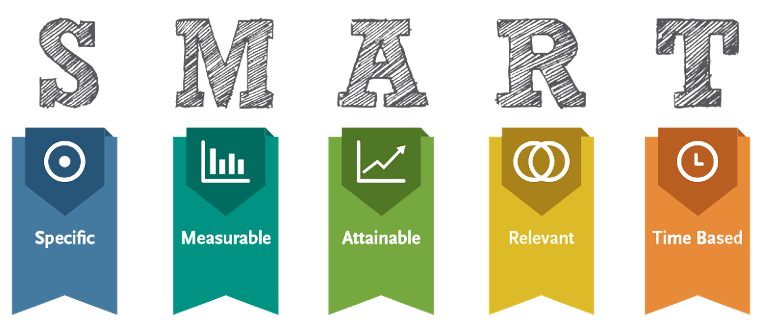
Make sure your goals are SMART (specific, measurable, achievable, relevant, and time-bound) while defining them. As an illustration, a SMART objective might be “increase website traffic,” but instead be “increase website traffic by 20% within the next three months through organic search and social media channels.”
Additionally, it’s critical to match your goals to your target audience’s needs and the stage of the buying cycle they are in. Understanding your audience’s wants and preferences is essential for success, regardless of whether your aim is to raise brand awareness, produce leads, increase transactions, or improve customer retention.
By creating specific objectives and targets, you build a road map that directs your choices and facilitates the monitoring of progress. This clarity enables you to concentrate your efforts on the most effective tactics and continuously improve your online marketing campaign for the best outcomes.
2. Recognize Your Target Market
The effectiveness of any digital marketing effort depends on your ability to understand your target audience. Making personalized and powerful online marketing messages that connect with your audience becomes difficult without a thorough understanding of who they are. To identify your target market and create methods that will successfully engage and convert them, rigorous market research is a need.
Begin by creating a profile of your ideal client based on their demographics, including their age, gender, location, income level, and occupation. Explore further to learn about their preferences, pain points, and motives. You can use this information to develop messaging and content that is specifically aimed at meeting their needs.
Utilize resources like customer surveys, social media insights, and Google Analytics to collect information about your current audience. To learn more about your audience’s interests and purchasing patterns, analyze their online interactions, behavior, and preferences.
In order to serve distinct segments of your target market, segmentation is also essential. You can send more personalized and pertinent communications to your audience by categorizing them based on similar traits or behaviors, which raises the possibility of engagement and conversion by using online marketing tools.
Generating content, choosing the best distribution methods, and planning campaigns that resonate with your audience can increase engagement, conversions, and ultimately business growth if you are aware of your target market.
3. Create Engaging Content
Any great digital marketing effort revolves around content. It is an efficient tool for involving, enlightening, and improving the lives of your audience. Whether it’s through blog posts, videos, infographics, podcasts, or social media updates, high-quality content is essential for building your brand as a recognized authority in your field, increasing website traffic, and fostering audience interaction.

Take into account the following advice to produce compelling content:
i. Provide value
Your content should speak to the problems that your audience faces and provide answers or information that will actually help them. Concentrate on motivating, instructing, or educating your audience.
ii. Use storytelling techniques
Utilize narrative tactics to engage and emotionally connect with your audience. Create stories that are true to their experiences and that are believable and relatable.
iii. Include visuals
Adding visual components to your content, such as pictures, videos, and infographics, can improve its appeal and readability. They attract attention and simplify challenging subject matter.
iv. Optimize for search engines
Conduct keyword research to find pertinent terms and phrases that your target audience is looking for before you begin to optimize for search engines. To increase the likelihood that your content will appear in search engine results, incorporate these keywords into it.
v. Encourage audience interaction
Encourage audience participation by presenting queries, including interactive components, and responding to comments, shares, and debates. By doing this, you create a sense of community among your audience.
vi. Stay relevant and up-to-date
Maintain up-to-date knowledge of current events and trends in your sector. Deliver information that is timely, relevant, and reflects your audience’s current interests.
Keep in mind that great content attracts your target audience and positions your business as a respected authority in your field. You can build trusting relationships with your audience, increase traffic, and improve the overall performance of your digital marketing campaign by continuously producing valuable content that appeals to them.
4. Leverage Social Media Platforms
Social networking is now an essential instrument for successful digital marketing in the current digital world. It enables businesses to connect and interact personally with their target market. It’s critical to determine the social media platforms where your target audience hangs out and have a strong presence there in order to fully utilize the potential of social media for online marketing.
Depending on your target audience and the nature of your business, popular social media networks like Facebook, Instagram, Twitter, LinkedIn, and YouTube provide distinctive options for engagement. To identify which platforms best suit the preferences of your audience, conduct research and analyze demographic information.
On social media, interaction is essential. React promptly to followers’ remarks, messages, and mentions. Asking questions and looking for feedback will promote interaction and create a sense of community.

Utilize social networking features to increase your reach. Use pertinent hashtags to increase your visibility and participate in discussions. Include live videos to offer in-person encounters and a look behind-the-scene. Use stories to distribute fleeting content that fosters a sense of exclusivity and urgency.
Analyze your social media statistics frequently to discover the content types that appeal to your audience the most. You can improve your strategy and produce content that encourages engagement and conversions with this data-driven approach.
You can maximize your social media presence and take your digital marketing campaign to new heights by comprehending your target demographic and utilizing the distinctive capabilities of each platform.
5. Implement Search Engine Optimization (SEO)
High search engine exposure is essential for generating organic traffic for your website. Effective SEO tactics must be put into practice if you want to raise your website’s ranking on search engines.
Start by optimizing your website’s structure and ensuring it is user-friendly and easy to navigate. To improve user experience and lower bounce rates, speed up page loading. Conduct keyword research to find pertinent and popular keywords, then strategically use them in the content, headings, and meta tags of your website.
Create engaging meta descriptions that appropriately sum up the information on your page and tempt readers to click. It is vital for online marketing. Additionally, to improve the authority and reliability of your website, concentrate on creating high-quality backlinks from credible websites.
Publish new, worthwhile content on a regular basis that speaks to the interests and problems of your target audience. In addition to attracting search engine crawlers, this provides users useful information.
Utilize SEO tools like Google Search Console and Moz for monitoring keyword rankings, keep an eye on your website’s performance, find areas for improvement, and make the required improvements. These tools provide insightful data on the visibility, traffic, and user behavior of your website that ultimately boosts up your internet marketing efforts.
Keep up with the most recent trends and algorithm updates because SEO is a continuous process. To keep your website optimized for search engines and to ensure that it regularly receives organic traffic, you need continually improve your SEO methods.
You can improve the visibility of your website, attract the relevant organic visitors, and boost the overall effectiveness of your digital marketing strategy by putting SEO methods into practice.
6. Embrace Email Marketing
Email marketing is a powerful tool of online marketing in interacting with your audience and nurturing leads. Build a focused email list and provide your readers personalized content in order to fully realize its potential.
Begin by luring site visitors to subscribe to your email list by providing worthwhile enticements like eBooks, whitepapers, or special discounts. This attracts qualified leads who are sincere about their interest in your products.

Create segments on your email list depending on behaviors, preferences, and interests. As a result, your email marketing will be more relevant and effective because you can adjust your content to each segment. Personalization has a significant positive impact on engagement and trust-building.
Generate attention-grabbing email subject lines that persuade recipients to open them. Create visually beautiful email templates that convey the personality of the business and offer a consistent user experience across various devices.
As, significant portion of users receive their emails through smartphones and tablets, you should optimize your emails for these devices. Make sure your call-to-action buttons are clearly visible and that your material is easy to read.
Analyze your email campaigns’ effectiveness on a regular basis, pay attention to conversions, click-through rates, and open rates. Utilize this information to improve your tactics, try out new ideas, and continuously boost the efficiency of your email marketing campaigns.
When done right, email marketing provides you the chance to build relationships with your customers, attract visitors to your website, and eventually boost conversion rates. You can employ email marketing to improve your digital marketing campaign by creating a focused email list and distributing unique, aesthetically attractive content.
7. Monitor and Analyze Results
Monitoring and evaluating the performance of your digital marketing campaign is essential for ensuring its success. You can monitor important metrics and acquire insightful data to improve your tactics by utilizing analytics solutions like Google Analytics, social media analytics, and email marketing platforms.
Analyze critical performance indicators including website traffic, conversion rates, user engagement, and return on investment (ROI). These analytics provide you a complete picture of how well your campaign is doing and assist you in pinpointing areas of improvement.
Analyze your data frequently for trends or patterns. Examine the results of various campaigns, content types, and distribution channels to discover what most appeals to your audience. By using a data-driven strategy, you can make wise decisions and improve the effectiveness of your digital marketing efforts.
Consider using A/B testing, which compares various iterations of your content or techniques to find the most successful one. To improve your strategies based on actual user feedback, experiment with various headlines, images, calls-to-action, and targeting strategies.
Keep informed of the newest business trends and technological developments. To stay competitive, you must constantly modify your methods.
You can identify opportunities for improvement, and make data-driven decisions to maximize your digital marketing efforts by regularly tracking and analyzing the performance of your campaign. Through this iterative approach, you can be sure that your campaign will change, adapt, and produce the best outcomes for the business.
Conclusion
In conclusion, a systematic approach, ongoing adaptability, and an in-depth understanding of your target audience are necessary for creating an effective digital marketing strategy. You can develop a campaign that connects with your target audience, encourages meaningful participation, and helps you reach your business’s goals by using the advice provided in this blog post.
Start by establishing specific, measurable, realistic, attainable, and time-bound goals and objectives. This makes sure your campaign is headed in the right direction and makes it simple to monitor its advancement and success.
Moreover, platforms for social media interaction provide special chances for interaction. Make a continuous presence on the platforms where your target audience hangs out. To increase your reach, engage with your followers, make use of tools like hashtags and stories, and provide both tailored and original content.
Furthermore, improve your website’s visibility in search engine results by implementing efficient SEO tactics. Utilizing tools like Google Search Console and Moz, keep an eye on the performance of your website and make the required changes to raise its ranking and increase organic traffic.
Email marketing is a potent tool of internet marketing in developing client relationships and nurturing leads. Create a focused email list, divide your audience into segments, and distribute personalized and eye-catching content. Analyze analytics frequently and make data-driven decisions to improve the performance of your efforts.
Last but not least, use analytics tools to track and evaluate the effectiveness of your campaign. Track important indicators, spot patterns, and make data-driven choices to refine your tactics and boost results.
Hence, you can create a digital marketing plan that successfully engages your target market, produces significant results, and catapults your business to success in the digital landscape with a strategic approach, ongoing optimization, and a thorough understanding of your audience.