
Digital marketing has become a powerful tool for businesses to reach and engage their target audience in the contemporary digital age where technology is integral in all facets of our life. Digital persuasion, or an ability of persuading and influencing consumers through multiple digital platforms, is the heart of digital marketing. The primary objective of digital persuasion is not to manipulate or force customers to make decisions against their will. It is far more significant to create compelling messages and experiences that are aligned with their requirements, wants, and motivations. It requires an understanding of the psychology underlying consumer behavior as well as the use of a variety of digital tools and platforms to reach and persuade the target audience.
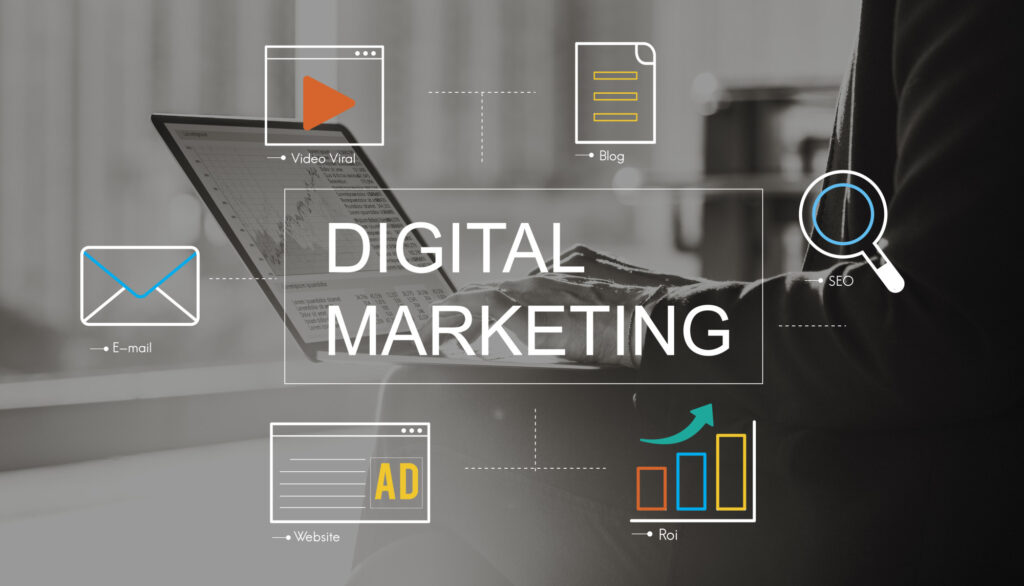
To better understand how businesses can employ digital persuasion to increase engagement, conversions, and eventually business success, this blog post will examine the strategies, tactics, and psychology behind it. By mastering the art of digital persuasion businesses can establish deep connections with their audience, foster brand loyalty, and increase conversions. However, it is essential for businesses to comprehend the nuances of digital persuasion and make ethical and responsible use of it in an increasingly cluttered digital marketplace. In this context, let’s set out on an attempt to discover the mysteries of digital persuasion and explore its revolutionary potential in the field of online marketing.
Understanding Digital Persuasion
Businesses need to grasp digital persuasion in order to interact with and influence their target audience in the digital space. The methods and tactics used to persuade customers to take desired actions through online channels are collectively referred to as “digital persuasion.”
Digital persuasion is fundamentally based on an in-depth comprehension of consumer motives, behavior, and decision-making processes in the digital environment. So, businesses have to be aware of the psychological aspects, such as cognitive biases, social proof, and emotional triggers, that affect consumer decisions. Businesses can come up with convincing messages that help them to connect with their audience.
Digital persuasion in online marketing also involves using multiple digital marketing strategies to engage and persuade customers. This includes creating engaging content that addresses their requirements, desires, and pain areas. Businesses can capture their attention and influence desired actions by creating material that is tailored to their individual interests and preferences.

Personalization is also a key component of digital persuasion in internet marketing domain. Businesses can segment their audience and provide individualized experiences by utilizing data and analytics. This degree of personalization increases the persuasiveness of marketing communications by enabling consumers to feel appreciated and understood.
It is also crucial to understand the digital channels used by customers to communicate. Digital channels are the bloodlines of digital marketing. This includes websites for social media, search engines, email marketing, and other things. These help businesses to increase their chances of persuasion success by utilizing these channels effectively to reach their target audience at the appropriate time and in the appropriate place.
Understanding digital persuasion requires a thorough understanding of the psychology of customers, the capacity to provide appealing content, the ability to use personalization, and the ability to take advantage of digital channels. Businesses can effectively connect and persuade their audience, drive conversions, and cultivate long-lasting relationships by mastering these characteristics.
1. Leveraging Social Media Platforms
Social media has entirely altered how businesses interact with their customers. It provides a platform for real-time interaction, communication, and influence. It lets businesses establish a strong online presence and communicate with their audience on a personal level by utilizing social media sites like Facebook, Twitter, Instagram, and LinkedIn. Digital media in digital marketing allow businesses to successfully influence customers and motivate them towards the course of their intended activities through social media advertising, influencer partnerships, and user-generated content.
2. Crafting Compelling Content
Content marketing is a vital aspect of digital marketing and it plays a crucial role in digital persuasion. By producing valuable and timely content, businesses can become thought leaders in their fields and gain the trust of their audience. Content can be in many different formats, such as blog articles, videos, infographics, and social media postings etc. Hence, by using them, businesses can effectively engage their audience and motivate them to act by utilizing persuasive components including storytelling, social proof, and emotional appeals.
3. Personalization and Targeting
A crucial component of digital marketing and digital persuasion is personalization. It is significant in internet marketing to grasp the target market and tailor the promotional efforts to meet their unique demands and preferences. It highlights the importance of data analytics that how it can be used to segment audiences, provide personalized experiences, and execute targeted advertising to make marketing messages more persuasive.
4. Conversion Optimization
A key component of digital marketing is conversion optimization, which aims to boost the proportion of website visitors who undertake desired actions. Conversion rates eventually generate higher-value outcomes from their online marketing efforts by using smart approaches like optimizing landing pages, streamlining the user experience, and testing various parts.
Significance of Digital Persuasion in Modern Realm
For businesses and marketers who aspire to flourish in the digital era, digital marketing is of utmost importance for them nowadays. The main reasons for why digital persuasion matters are as follows:
1. Changing Consumer Behavior
Consumers’ attention and behavior have shifted to the online world as a result of the growing adoption of digital technologies. It let businesses to successfully engage and persuade this technologically inclined demographic via digital marketing strategies. Businesses can engage with their target audience and encourage desired behaviors by understanding and utilizing the most prevalent digital channels and platforms used by customers.
2. Increased Competition
Digital persuasion techniques give businesses a competitive edge by enabling them to cut through the noise and capture the attention of their target audience. By using internet marketing tactics, persuasive messaging, personalized experiences, and compelling content, businesses can stand out and differentiate themselves from their rivals. The digital landscape is highly competitive, with businesses vying for the attention and engagement of online consumers.
3. Expanding Digital Marketing Channels
The modern age offers a wide variety of digital marketing platforms and channels, including influencer marketing, email, social media, and search engines. With the assistance of internet marketing tactics such as digital persuasion, businesses can take advantage of these platforms to successfully contact and persuade their target audience. Understanding how to use each channel to its full potential is essential for success since each one provides different opportunities for engagement and persuasion.
4. Data-Driven Decision Making
The analysis and interpretation of data is crucial to digital marketing as well as for digital persuasion. It allows businesses to determine a lot about the efficacy of their persuasive techniques by monitoring and analyzing customer behavior, engagement indicators, and conversion rates. Businesses can make informed decisions, refine their strategies, and continuously improve their digital marketing efforts according to the data-driven strategy.

Digital Persuasion and Its Role in Driving Customer Actions
In the global arena of digital marketing, customer actions are greatly influenced by digital persuasion. Businesses can adjust their communications and experiences to meet the expectations of their customers by acquiring insights into the motivations, demands, and preferences of their target audience. This knowledge enables businesses to provide content that appeals to customers and motivates them to take action.
Successful digital persuasion relies on a number of critical factors, including an understanding of consumer behavior, the creation of engaging content, the use of personalization and targeting, efficient use of digital channels, leveraging the influence of influencers, conversion optimization, and adherence to ethical standards. By mastering the art of digital persuasion businesses can influence client behavior, boost conversions, and promote corporate success by availing the benefits of online marketing at its fullest in the digital age.
Ethical Considerations in Digital Persuasion
To preserve trust and integrity in the global arena of digital marketing, ethical considerations in digital persuasion are crucial. It is pivotal for businesses to follow moral guidelines that uphold consumer rights and foster long-lasting connections as they strive to persuade and engage their audience.
An essential component of ethical digital persuasion in internet marketing is transparency. Businesses should be transparent and accurate about the goods, services, and promotional offers they offer. They should refrain from using tricks, false advertising, or hidden costs that could mislead or influence customers.
Another important component of ethical digital persuasion is respecting user privacy. User data should be handled appropriately by businesses, with informed consent and secured storage. It is critical to be open and honest about how data is collected, used, and shared. Users should also have the ability to modify their privacy settings.

In online marketing, the adoption of manipulative methods should be avoided. Instead of preying on consumer weaknesses or manipulating them against their better judgment, businesses should concentrate on offering true value. Building credibility and trust depends on being sincere, being who you say you are, and keeping your promises.
Additionally, businesses should think about the way their digital marketing strategies may affect those that are especially vulnerable, such youngsters or those with poor decision-making skills. Responsible targeting and advertising practices ensure that marketing efforts are appropriate and respectful towards these groups.
Finally, businesses should actively engage in continual self-regulation and monitoring to make sure that ethical standards have been adhered to. They ought to stay informed of changing laws and industry standards so they can adapt their strategies accordingly.
Establishing trust, maintain a solid brand reputation, and foster enduring client loyalty by adhering to ethical principles in internet marketing is vital for businesses. Besides helping businesses, ethical marketing techniques also strengthen and support the overall digital marketing system.
Conclusion
In conclusion, the domain of digital marketing continues to evolve, and businesses can greatly benefit from mastering the art of digital persuasion. In order to motivate consumer behavior, meet marketing objectives, and ultimately achieve corporate success, it is essential to be able to engage and influence the target audience successfully.
The practice of digital persuasion involves a thorough understanding of consumer behavior, the use of persuasion tactics, and the effective utilization of digital platforms and channels. Hence, businesses develop engaging content that connects with their audience and inspires them to take desired actions by understanding the psychological aspects that affect customer decisions.
We explored a variety of facets of digital persuasion in this blog. We delved in-depth on topics including the benefit of knowing consumer psychology, the effect of captivating content, the relevance of personalization and targeting, the function of digital channels, the significance of conversion optimization, and the ethical issues involved.
Mastering the art of digital persuasion provides several benefits for businesses. It improves conversion rates, promotes client engagement, and presents businesses a competitive edge in the crowded digital market. Businesses can build closer relationships with their customers through personalized and targeted marketing strategies, which will enhance consumer advocacy and brand loyalty.
In addition, businesses can continuously improve their digital persuasion techniques by utilizing data and analytics. Businesses can take data-driven decisions, adjust to shifting trends, and optimize their marketing efforts for better results by analyzing customer insights and behavior.
Digital persuasion in online marketing also heavily relies on ethical issues. To foster trust and preserve a great brand reputation, businesses must place a high priority on transparency, honesty, and respect for consumer privacy. They can create long-lasting connections with their customers based on trust, credibility, and integrity by engaging in ethical digital persuasion.
Moreover, businesses need to preserve flexibility and adaptability in their approach to digital marketing and persuasion as the online landscape keeps on transforming. They should be aware of new trends, adopt cutting-edge technology, and be open to innovation and experimentation. To keep on top of trends, the art of digital persuasion demands ongoing research and advancement.
Furthermore, the skill of digital persuasion is an effective tool for businesses to influence customer behavior, spur conversions, and flourish online. Those businesses which embrace the art of digital persuasion will be better positioned to thrive and accomplish their objectives in the dynamic realm of internet marketing as the digital landscape transforms.