
In the current digital era, each company or website must have a strong online presence. The secret to increasing your website’s visibility and generating organic traffic is search engine optimization. While on-page SEO strategies are equally important for improving your rankings in search engine results, off-page SEO strategies do play a vital impact. By using on-page SEO strategies and best practices, optimize different sections of your website to increase its authority and relevance.
Ten essential on-page SEO strategies that can take your website to new heights in search rankings are covered in this blog post. Build an effective SEO strategy by being an expert in areas such as content optimization, technical issues, user experience, and keyword research.
Keyword Research and Optimization
Effective on-page SEO is built on the foundations of keyword research and optimization. Prior to writing content, it’s crucial to carry out in-depth keyword research to determine the terms and expressions your target audience uses to look for pertinent information. You can modify your content to correspond to their demands and intentions by comprehending these search inquiries.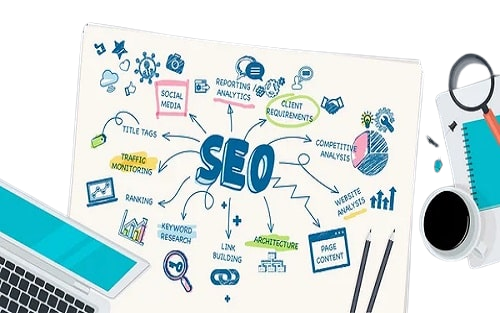
In order to effectively use the proper keywords in your content, you must strategically place them in your titles, headings, meta tags, and text body. However, it’s important to keep a natural flow and refrain from keyword stuffing, which can harm your rankings.
By selecting and utilizing pertinent keywords, you may improve your SERP ranks and increase organic traffic by helping search engines comprehend the context of your content.
High-Quality and Engaging Content
Any effective on-page SEO strategy relies on original, compelling content. When you provide your audience useful, interesting, and engrossing information, you not only draw in more visitors but also encourage them to stay on your website longer. As it emphasizes user delight, builds credibility, and promotes sharing, engaging content is essential for Google’s results.
Moreover, when readers value your content, they are more inclined to come back for more, boosting return visitors and cultivating a following. As a further indicator to search engines that your website offers worthwhile information, high-quality content decreases bounce rates and lengthens the average time visitors spend on your pages.
You build a solid basis for increased rankings and long-term success in the competitive digital market by continuously creating great content that connects with your audience.
Proper Title Tags and Meta Descriptions
Proper title tags and meta descriptions are essential elements of on-page SEO that impact the way a website performs in search results.
Since, title tags directly affect click-through rates, they must be compelling and correct. You encourage readers to click on your link by using appropriate keywords and accurately representing the content of the page, which boosts organic traffic.
When users see your website in search results, they may select it over others due to well-written meta descriptions. Meta descriptions increase user engagement and lower bounce rates without having an impact on rankings.
In order to display your pages for the relevant search queries, search engines also use title tags and meta descriptions to comprehend the relevance and context of your content. By optimizing these components, you can make sure that your website stands out in search results and draws in the correct kind of visitors.
URL Structure and Optimization
The optimization and layout of your URLs are crucial elements of on-page SEO that can enhance user experience and exposure for your website. Both visitors and search engines can learn useful information about the page’s content from a well-structured URL.
Make your URLs more keyword-rich, descriptive, and short to optimize them. To avoid confusing users and search engine crawlers, avoid employing lengthy strings of numbers or pointless characters. Use pertinent keywords instead, which will help both readers and search engines understand the content by reflecting the page’s theme. Clear URL structures improve SEO by helping visitors remember and share specific page links, which improves website usability.
Header Tags and Content Organization
The structure of the content and the usage of header tags are essential elements of on-page SEO that improve both user experience and search engine rankings. In order to help readers and search engines comprehend the hierarchy of your subject matter, header tags like H1, H2, and H3 should be used.
Using H1 tags for important headings that contain pertinent keywords lets search engines know how important the content is. Content organization is aided by H2 and H3 tags.
By improving the content’s readability and accessibility, effective content structure increases user engagement. Users are more inclined to stick around and browse deeper on your website when they can locate what they’re seeking for immediately.
Additionally, search engines employ header tags to comprehend the organization and relevancy of your content, which could impact how well you rank for particular keywords. The user experience on your website will be enhanced by using header tags, which will also help it rank higher in search engine results.
Optimize Images and Alt Tags
One of the most important on-page SEO strategies for raising website ranks and enhancing user experience is optimizing photos and their alt tags.
Images must have compelling alt tags in order to be accessible and optimized for search engines. By providing alternate text descriptions for images, screen readers can help visually impaired people grasp the content. Alt tags help search engines understand the context and importance of photos, which can help images rank better in image search results.
Use appropriate keywords organically and descriptively in the alt tags when optimizing images. This helps in the understanding by search engines of what the images depict and how they connect to your content. You can create a website that appeals to a wider audience and is more user- and SEO-friendly by optimizing images and alt tags.
Mobile-Friendly Design
A critical component of on-page SEO that directly affects your website’s visibility and user experience is having a mobile-friendly design. Search engine-ranked websites provide smooth mobile experiences because more people are accessing the internet from mobile devices.
When indexing and ranking, mobile versions are given priority by search engines such as Google. Lack of mobile friendliness on your website may result in worse search ranks and less organic visitors.
Investing in a mobile-friendly, responsive design can improve user experience, increase website traffic, and improve search engine results.
Page Speed Optimization
User experience and search engine rankings are directly impacted by page speed optimization, a critical on-page SEO tactic. The users of the fast-paced digital world expect websites to load quickly. User experience is given priority by search engines.
The user experience and page performance can be improved by using methods like browser caching, CDNs, and image compression. Page speed is a ranking criteria for search engines like Google, which favors quicker pages for better results.
Prioritize page speed optimization to enhance rankings and user experience. This will lead to an increase in conversions and the success of your online presence.
Internal Linking Structure
By building a hierarchical structure, a well-organized internal linking strategy improves user experience and rankings. Internal connecting done strategically has various advantages. By distributing link equity to important pages equally, it strengthens ranking power and facilitates search engine discovery.
Internal links keep users interested and promote longer on-site sessions by directing them to important and related content. You improve user experience and lower bounce rates by offering simple navigation and fluid page transitions.
Use anchor language that is descriptive and contains pertinent keywords when creating internal links. This practice helps users comprehend where the link will take them in addition to improving the context for search engines. Setting up a strategic internal linking structure will improve SEO performance and encourage users to stay on your website for longer.
Regular Content Updates
A key component of any on-page SEO plan to increase website performance and ranks is regular content improvement. By providing up-to-date and precise information, frequent content updates enhance value. This fosters interaction with your content and keeps users coming back for more, which increases user retention and loyalty.
Furthermore, changing current content might allow you to expand on themes, target new keywords, and raise the general standard of your pages. Additionally, it tells search engines that your website is always changing to match user needs, which is good for your positioning in search engine results.
Regular updates increase the authority, relevance, and credibility of a website, which promotes its long-term success.
Conclusion
In conclusion, on-page SEO is essential for building a solid online presence and increasing organic website traffic. You can drastically raise your website’s rankings and user experience by putting the ten crucial on-page SEO tactics covered in this blog post into practice.
Hence, by making sure that your content matches the search intent of your target audience, keyword research and optimization increase the likelihood that it will appear higher in search results. Search engines recognize your website as authoritative when it produces high-quality, compelling content.
Furthermore, effective meta descriptions and title tags increase click-through rates and help in search engines comprehending the relevancy of your content. Improved user navigation and increased keyword relevance are both benefits of an optimized URL structure.
Whereas; readability, user experience, and search engine rankings are all improved by using header tags and content organization. In addition to increasing accessibility, optimized images and alt tags also make your website more visible in search results, particularly in image searches.
In order to satisfy the growing number of mobile users and improve rankings and user satisfaction, a mobile-friendly design is crucial. Page speed optimization improves user experience and helps websites perform better in search results.
Additionally, strategic internal linking increases user engagement, helps in content discovery, and distributes link equity. Regular updates show your dedication to satisfying consumer needs and build the credibility of your website.
In short, you can build a well-optimized and user-friendly website that ranks better in search results, draws more organic traffic, and eventually leads to more success in the competitive digital landscape by integrating these ten essentials on-page SEO tactics. Achieve long-term success with SEO by implementing, updating, and improving techniques.